
Choosing a WordPress Theme For Your Business
There are thousands of available WordPress themes, and it would take a few days to look through all of them. Therefore, it can be difficult to choose the right one for your website. Theme selection is essential; the right one can give your content something extra, keep it responsive across a range of devices, and load quickly. Before choosing or customizing a theme, read this list of tips on WordPress theme selection.
Make a List of Desired Features
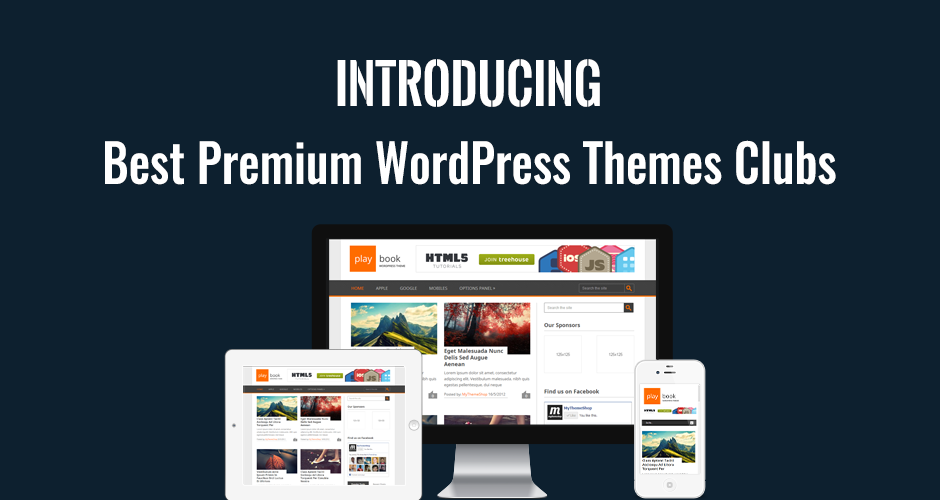
Before choosing a theme, you should decide which features you need and which you can go without. In premium wordpress theme clubs, you’ll be able to customize the search based on the features you’re looking for. Where themes are concerned, less is more, and the theme you select should have only the features needed to accomplish your site’s goals.
Choose a Slimmed-Down Theme
When designing the best wordpress landing page with optimizepress, you shouldn’t choose a theme that’s so feature-rich that it’s hard to use. While these themes may look fantastic, all those extras can negatively affect the performance of your website. Some features are created using code found on the internet, and they may have security vulnerabilities baked in. When choosing a theme, you should split your focus between site security and overall function. Just remember that content is just as important as design. So ensure you’re using free high quality plr content that will help you audience or visit a website like plr me and find high quality done for you content.
Pick a Theme That’s Responsive
Responsive designs are found on sites that are easy to use, regardless of the device on which they’re being viewed. When designing a site to promote the best autoresponder software, it’s important to ensure compatibility with smartphones and tablets, and menus and widgets should be simple to navigate. If you find a theme you absolutely love but it isn’t very responsive, you’ll have to tweak it a bit.
Consider a Premium Theme

While a free theme is fine if you’re on a tight budget, they come with their own issues. Apart from low-quality coding, by using free themes, you’re at risk of not receiving regular updates, and in some cases, the author may abandon the theme completely. Premium themes are more dynamic, more feature-rich, and they can help you promote using plr database review 2021 in an innovative way.
Choose a Theme With a Legible Font
This step can help you grab and hold your reader’s attention so they won’t leave your site. It’s important to make it as easy as possible for your visitors to navigate your site, and to do it, your fonts should be made readable, simple, and elegant. Those who know CSS can easily adjust fonts, although some of today’s free themes may have limited customization capabilities.
Test the Theme Before Putting it to Use

When testing a theme, the Theme Check plugin can verify whether it meets WordPress’ current standards. After you’re done tweaking the site and uploading plr coaching products and content, give it a once-over before allowing it to go live. Re-read your content, view the site on a mobile device, and be sure that all your images load correctly. It may be worthwhile to invest in a lifetime host that offers staging environments.
We hope this guide has been helpful in narrowing the selection process. The best thing about WordPress is that if you want to change the theme later on, you’re able to do so easily. With these tips, you can promote the top affiliate marketing course easily, honestly, and effectively.